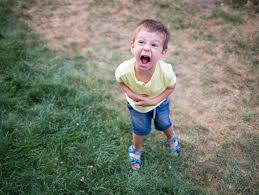
If you’ve ever had your toddler hit you—whether with a tiny slap or an angry shove—you’re not alone. It’s a jarring experience, but it’s also a very normal part of early childhood development. Toddlers are still learning how to handle big emotions, and sometimes their little bodies react faster than their words or understanding can keep up.
Understanding why they hit you is the first step toward handling it with patience and clarity.
Why Toddlers Hit
1. They need attention:
Sometimes, toddlers hit because they’re desperate for your attention. Negative attention (like yelling) is still attention. If they feel ignored—maybe you’re busy on a call or cooking—they might hit just to get a reaction.
2. They can’t communicate their needs yet:
A 2- or 3-year-old may not always have the words to say, “I’m tired,” “I’m hungry,” or “I’m overwhelmed.” Frustration builds up, and physical behavior becomes their outlet.
3. Growth spurts and emotional overload:
Growth spurts are not just physical. They come with huge bursts in brain development, leading to intense emotions, confusion, and exhaustion. Toddlers often don’t even know why they’re feeling off, but they express it through actions like hitting.
How to Handle It
When your toddler hits you, the goal is to respond—not react. Here are some techniques that can help:
1. Talk to them clearly and firmly:
Get down to their eye level, hold their hands gently if needed, and say, “No hitting. Hitting hurts. I won’t let you hit me.” Short, clear sentences are key. Avoid lecturing; toddlers tune out long explanations.
2. Put physical space between you and them:
If they’re in a hitting mood, create a little distance to protect yourself and to help them cool off. You’re modeling that it’s okay to step away when feelings are too big.
3. Redirect the physical energy:
Toddlers have loads of energy. Channel it into something positive!
“Let’s jump on the mat!”
“Let’s hit the pillow instead!”
Physical outlets can let them work through their emotions safely.
4. Help them breathe through it:
Teach simple breathing techniques:
“Smell the flower… blow out the candle.”
Doing it together can turn a meltdown into a bonding moment, even if it takes a few tries.
What Has Worked for Me
In my experience, a few things have consistently helped:
- Prevention when possible: I notice when my toddler is getting tired, overstimulated, or hungry, and I try to offer breaks, snacks, or quiet time before things escalate.
- Staying calm: It’s so hard not to take it personally when they hit ( I had my daughter hit me right in the face at night), but staying calm actually shortens the meltdown. My energy becomes their energy.
- Offering connection after the hitting stops: Once they calm down, a cuddle or a quiet chat reminds them that while hitting is not okay, they are always loved and safe.
Some other suggestions you might try:
- Teach feeling words early, like mad, sad, tired, hungry, excited.
- Role-play with toys to practice better ways to show emotions.
- Use books about emotions—toddlers love stories and learn best through them.
- Praise positive behavior: When they express themselves without hitting, celebrate it!
Handling toddler hitting is not about “fixing” them. It’s about guiding them through a messy, beautiful phase of learning how to be human. It can feel exhausting sometimes, but every time you respond with calm and compassion, you’re building their emotional intelligence—and your own patience muscle too.
You’ve got this. 💛
 Mom On The Rise